
Reading Curriculum Intent
At Shillingstone we believe that the teaching of reading is integral to a child’s understanding and appreciation of the world around them. Our reading curriculum strives to foster a lifelong of reading. We cultivate the behaviours that they will need to be discerning readers as they read frequently and widely using self-regulation strategies and discuss what they read.
Our main aims for reading, taken from the National Curriculum, are to ensure that all pupils:
- read easily, fluently and with good understanding
- develop the habit of reading widely and often, for both pleasure and information
- acquire a wide vocabulary, an understanding of grammar and knowledge of linguistic conventions for reading, writing and spoken language
- appreciate our rich and varied literary heritage
- write clearly, accurately and coherently, adapting their language and style in and for a range of contexts, purposes and audiences
- use discussion in order to learn; they should be able to elaborate and explain clearly their understanding and ideas
- are competent in the arts of speaking and listening, making formal presentations, demonstrating to others and participating in debate
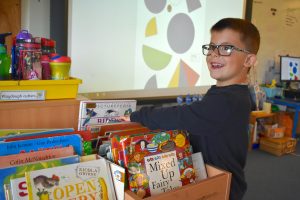
It is important that children are motivated to read regularly; when their reading opportunities increase, so does their fluency and stamina which in turn increases their enjoyment of reading. Therefore, the link between children’s motivation to read and reading for pleasure is reciprocal. Furthermore, we know that reading for pleasure is beneficial not only for reading outcomes, but for wider learning enjoyment and mental wellbeing. Thus, we work hard to foster a love of independent reading and build engaged readers.
Reading is at the very heart of our curriculum. We are committed to promoting a love for reading and not only giving children opportunities to read in English lessons, but in the wider curriculum too.
Implementation
Early Reading and Phonics
In our EYFS and KS1, we teach reading using synthetic phonics, following a DFE approved program: Twinkl Phonics. Within daily phonic sessions, children have the opportunity to revisit previous learning and practise and apply new skills in structured but engaging ways.
Please click below to view our Twinkl phonics overview.
Phonics sessions are taught in year groups and take place daily for 20-30 minutes. There are also enhanced phonic activities within the indoor and outdoor environment available for the children in Early Years to explore throughout the day.
Teachers regularly read with the children so that they get to know and love a range of books. Children take home books from the Rhino Readers which align directly with the sounds that they have learnt.
Reading Comprehension
At Shillingstone, we recognise the importance of providing children with a range of high quality texts including stories, poems and non-fiction. From Years 1 to 6, pupils have reading lessons as a whole class which are built around reading high-quality and challenging texts, which are then dissected through high-level questioning and discussion. These lessons take place once a week with follow up activities throughout the rest of the week. The follow up activities focus on a range of skills including comprehension, vocabulary and prediction.
Class teachers follow the Twinkl Reading unit plans as well as novel studies which link to our topics. Please click below to read our whole school overview.
READING Whole school overview 2024.25
Through the teaching of systematic phonics, our aim is for children to become fluent readers by the end of Key Stage 1. With decoding taught as the prime approach to reading, pupils will become familiar with this strategy and have the confidence to work out unfamiliar words in any new texts they encounter even when they have come to the end of the programme. Pupils will have the opportunity to develop their fluency and comprehension as they move through the school; accessing a range of texts independently.
Attainment in reading is measured using statutory assessments such as the end of EYFS, Key Stage 1 and 2 and following the outcomes in the Year 1 Phonics Screening check. Additionally, we track our own reading attainment through the use of assessment tracking sheets. More importantly, we believe that reading is the key to unlock all learning and so the impact of our reading goes beyond the statutory assessments. We give all the children the opportunity to enter the amazing new worlds that a book opens up to them and share texts from a range of cultures or genres to inspire them to question or seek out more for themselves. When they leave us, we want pupils to possess the reading skills and love of literature which will help them to enjoy and access any aspects of learning they encounter in the future.
Reading for pleasure and home reading
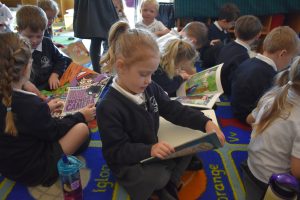
Every day, across the whole school, children are provided with opportunities for reading for pleasure, where they are encouraged to read books from the class reading corner. Each class has a class novel which is read by the class teacher daily. These novels are high quality texts and have been carefully chosen.
Each half term, we plan a whole school session which encourages children to be exposed to a range of books and enhances their love for reading.
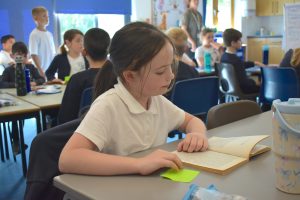
Pupils are encouraged to be involved with reading at home a minimum of 4 times a week – this can be reading book themselves, to an adult, or sharing a story at home. Parents and carers are asked to record this in the reading diaries. Pupils in EYFS and KS1 are sent home decodable books that are in line with the phonics being taught. A book to be shared with an adult at home is also sent to foster the love of reading a range of texts. This may be a book that the child is unable to read by themselves but enjoys having read to them.
Impact
News and Events
Reading is integral to a child’s learning and is seen as hugely important throughout the whole school. This is what our pupils think about Reading in our school:
“I like the new Rhino Readers reading books because I find them easier to read.”
“I really enjoy going to the library to choose a book to take home.”
“I enjoyed it when we read George’s Marvellous Medicine. We had to think about what we would do if we were George.”
“I like it when we get to read information books during our topic lessons.”
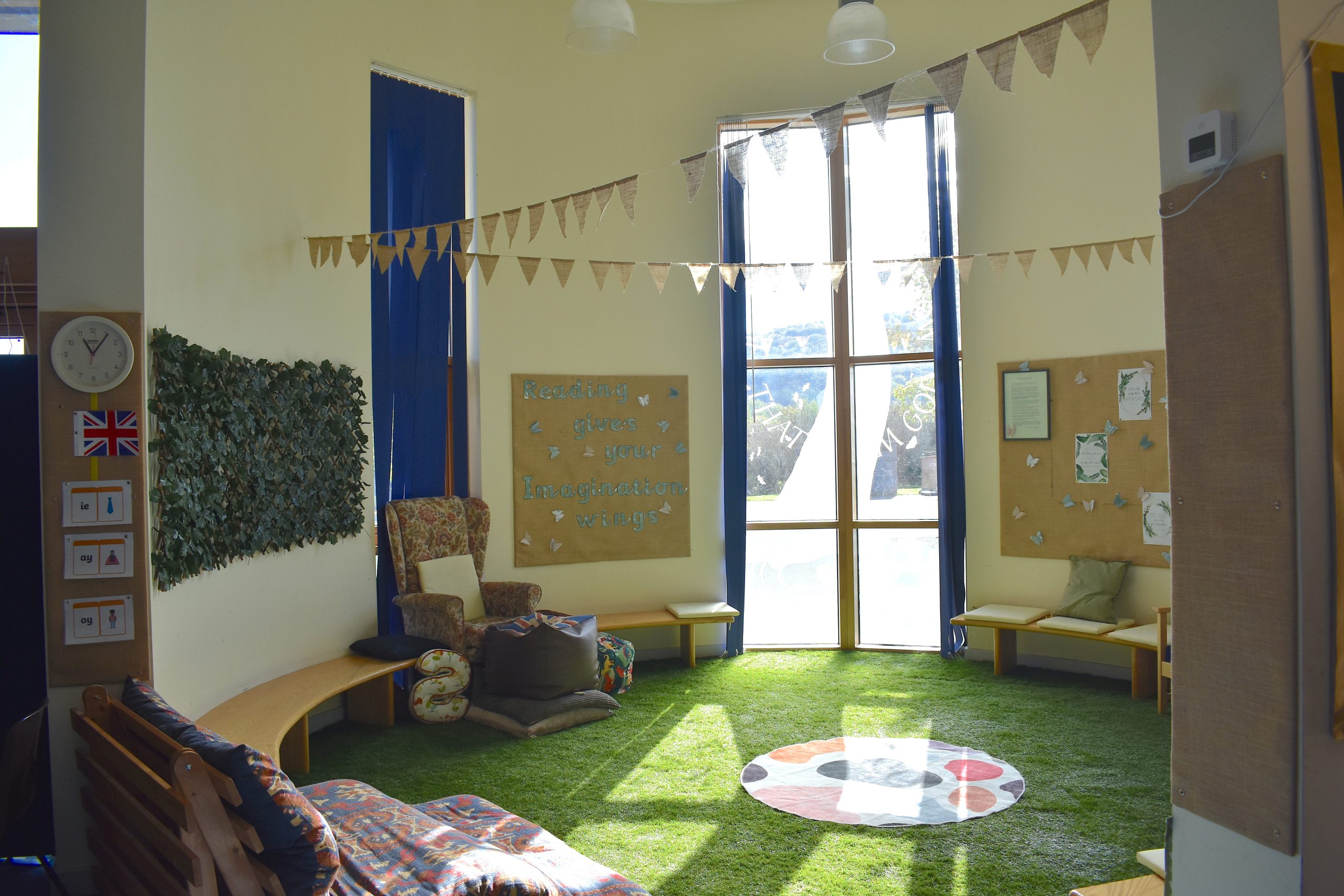
We have a lovely new library area:
The children really enjoyed learning about different poets during World Book Day. Each child learnt and recited a poem.
The children loved coming back to school in their PJs for our bedtime stories session!
In this section
